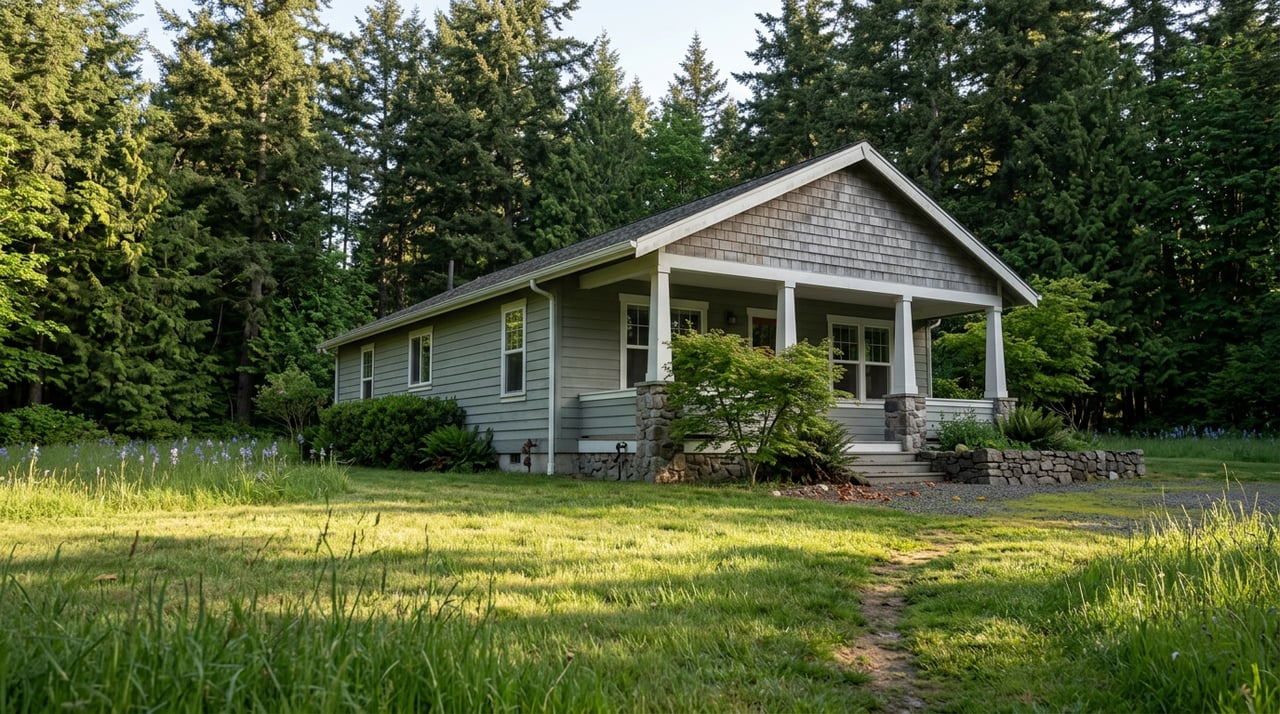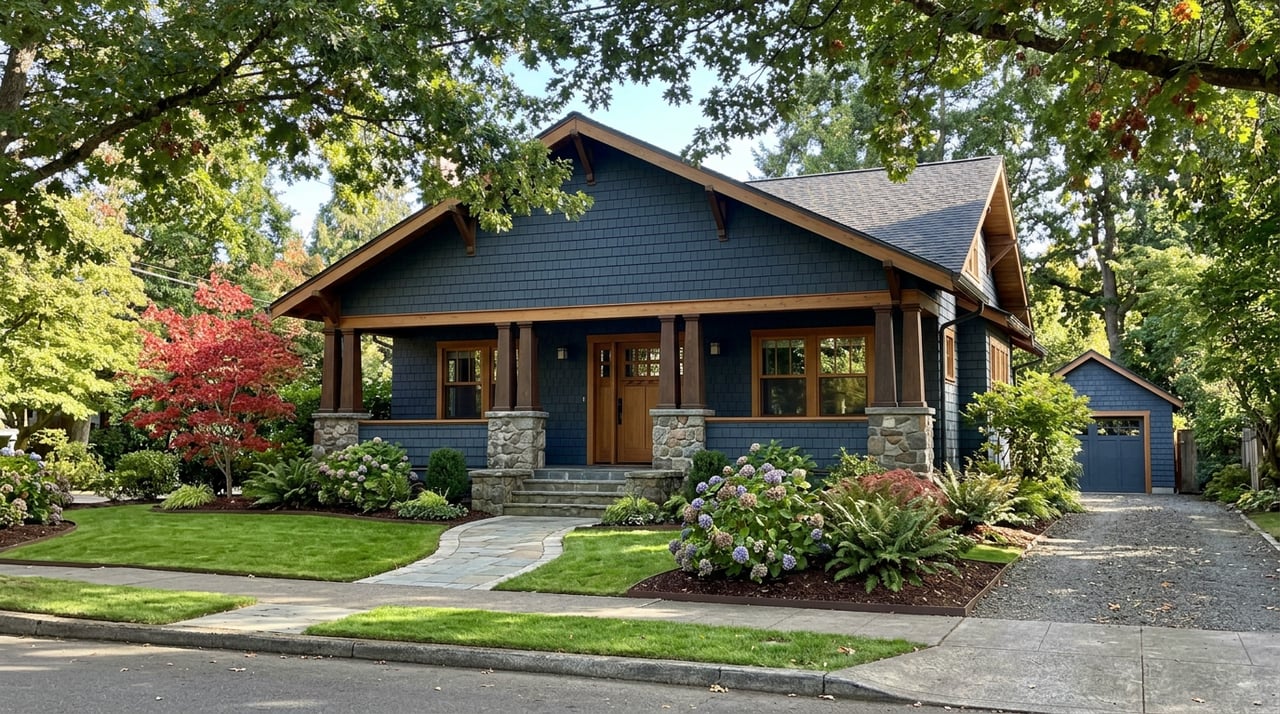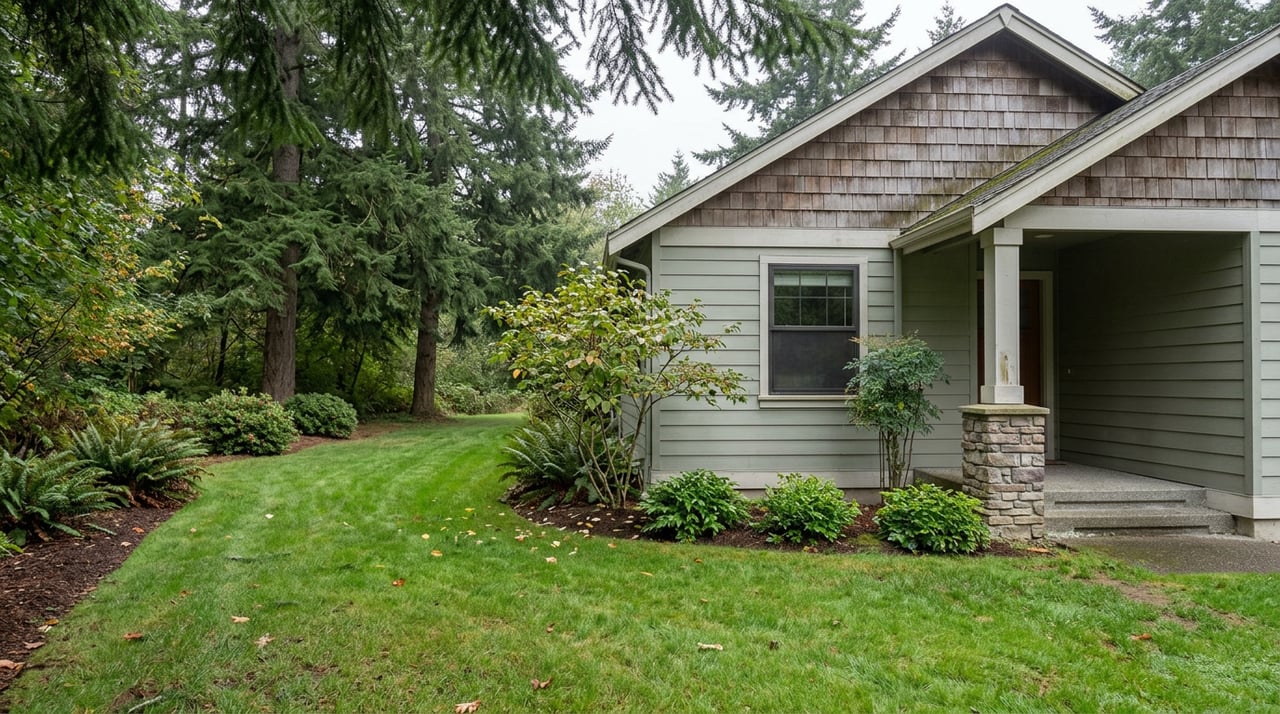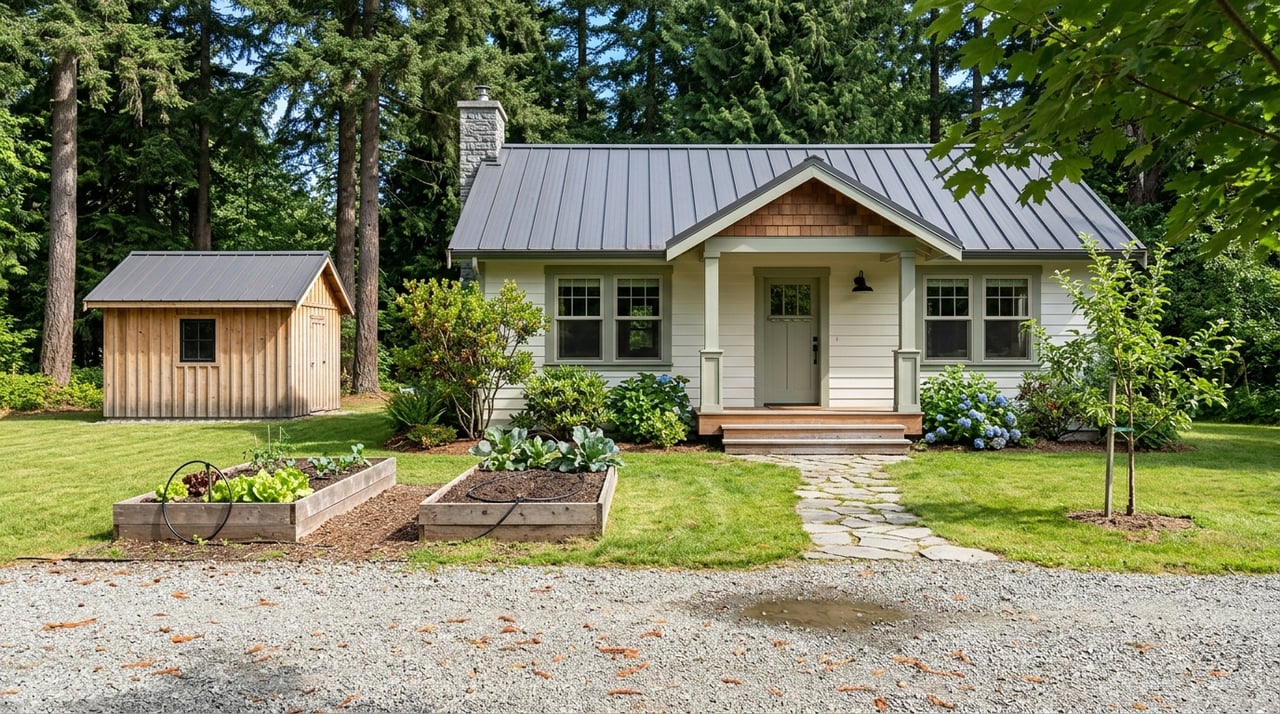
Dreaming about more room to breathe in Puget Sound? Acreage living can offer privacy, garden space, and the possibility of animals or hobby farming, but it also comes with real day-to-day responsibilities. If you are wondering whether life on a few acres is a great fit or more work than you want, this guide will help you think it through with clear, practical questions. Let’s dive in.
What Puget Sound Acreage Living Really Means
In the Puget Sound region, acreage living is not just about owning more land. It usually means becoming an active steward of that land. Washington State University’s small acreage guidance focuses on goal setting, resource inventory, soil, water, wildfire planning, grass, animals, and long-term stewardship.
That matters because the dream and the work go together. In Western Washington, seasonal mud, drainage, and pasture protection are part of normal ownership. If you love being hands-on and learning how your property functions through the seasons, acreage can feel deeply rewarding.
Why Buyers Love Acreage Homes
Acreage properties appeal to many buyers because they offer flexibility that is hard to find on smaller lots. You may want room for gardens, orchards, a workshop, pasture, or simply more space between you and your neighbors. For many people, that extra breathing room is the biggest draw.
Acreage can also support a lifestyle that feels more connected to the land. Depending on the property, that might mean growing food, caring for trees, or planning for small livestock. The key is making sure the land itself fits your goals, not just the idea of them.
The Lifestyle Questions to Ask Yourself
Before you fall in love with a house, it helps to be honest about how you want to live. Acreage tends to fit buyers who enjoy seasonal planning, outdoor projects, and ongoing maintenance. It is usually a better match for someone who wants to engage with the property than for someone who wants a mostly hands-off setup.
Ask yourself a few simple questions:
- Do you enjoy outdoor upkeep and regular property projects?
- Do you want space for gardening, animals, or other land-based uses?
- Are you comfortable learning about wells, septic systems, and drainage?
- Can you handle added seasonal chores like mowing, brush control, and mud management?
- If the home is on an island, does ferry travel fit your routine?
If those questions feel exciting rather than overwhelming, acreage living may be worth a closer look.
Wells and Septic Matter More Than You Think
Many Puget Sound acreage homes rely on private wells and on-site sewage systems instead of city utilities. According to the Washington State Department of Health, both are common across the state and can work well for a long time, but they require active homeowner care. That care matters because system problems can affect both health and the environment.
For buyers, this means you should look beyond finishes and floor plans. You will want to understand the property’s water source, well history, septic age, and system condition. The Washington Department of Ecology also notes that abandoned wells must be properly decommissioned by licensed drillers, which makes legacy well issues an important part of due diligence.
Seasonal Upkeep Is Part of the Deal
One of the biggest differences between a neighborhood lot and acreage is the amount of ongoing land care. Small-acreage ownership often includes mowing, brush control, drainage observation, water-system checks, and septic care. In Western Washington, wet months also bring mud management and the need to protect saturated ground from overuse.
That does not mean acreage is a burden. It simply means the property asks more of you throughout the year. For the right buyer, those seasonal rhythms are part of the appeal.
Animals and Hobby Farming Need the Right Land
If you hope to keep horses, chickens, goats, or sheep, the land needs to support that use. WSU grazing guidance makes clear that pasture, drainage, fencing, and manure management all need to be planned for the specific site. In other words, having acreage does not automatically mean every kind of animal setup will work.
For horse properties and small farms, mud control is especially important. WSU recommends sacrifice areas on higher ground near barns and manure storage, while keeping animals off saturated pasture during wet months. This helps protect forage, reduce runoff, and make the property more functional year-round.
Some buyers also look for land that can support a mix of pasture and trees. WSU’s silvopasture guidance explains that Western Washington can support these systems when livestock are moved frequently and the land is not overpacked. If that kind of use interests you, a close look at layout and land condition is essential.
Natural Features Can Shape Your Options
Creeks, wetlands, wooded areas, and shoreline-adjacent habitats can be beautiful parts of an acreage property. They can also affect how the land should be used and maintained. WSU’s Working Riparian Lands Program notes that riparian habitat plays an important role in water quality and wildlife support, including salmon habitat.
That means practical details like clearing, fencing, and buffer areas can matter as much as the home itself. If a property includes sensitive natural features, it is wise to understand how those areas influence everyday land use. This is one of the reasons local guidance can be so valuable when you are evaluating acreage homes.
Wildfire Readiness Belongs on Your List
Even in greener parts of Western Washington, wildfire readiness is part of responsible rural ownership. The Washington State Department of Natural Resources recommends defensible space around the home, fire-resistant landscaping, attention to ladder fuels, and neighborhood coordination through readiness programs.
For buyers, that means you should evaluate the grounds with the same care you give the kitchen or primary suite. Brush, tree spacing, and emergency access all affect how manageable and resilient a property may be. These are practical ownership issues, not just seasonal extras.
Island Access Can Change Daily Life
If you are considering acreage on Vashon, Bainbridge, or parts of Whidbey, transportation planning is part of the lifestyle. The Washington State Ferries system includes routes such as Fauntleroy/Vashon, Southworth/Vashon, Seattle/Bainbridge Island, Mukilteo/Clinton, and Port Townsend/Coupeville. Ferry schedules can shape commuting, deliveries, contractor visits, and even service appointments.
For some buyers, that rhythm is part of the charm. For others, it can feel limiting. The best approach is to think honestly about how often you need off-island access and how flexible your routine is.
What to Verify Before You Make an Offer
Acreage buying is often less about square footage and more about usable land and property systems. A smart evaluation usually starts with practical questions that affect how the home will live over time. Clear answers early can save you stress later.
Here are some of the most important items to verify:
- How much of the acreage is actually usable?
- What is the water source, and what is the well history?
- What is the age and condition of the septic system?
- Are there abandoned wells or other legacy issues?
- How does access work in wet weather or year-round?
- If the property is on an island, how will ferry schedules affect your plans?
- Does the land match your intended use for gardening, animals, or recreation?
So, Is Acreage Living Right for You?
Puget Sound acreage living can be a wonderful fit if you want privacy, flexibility, and a stronger connection to the land. It often works best for buyers who are realistic about maintenance and curious about how a property functions beyond the house itself. The lifestyle can be deeply satisfying, but it is most rewarding when your expectations match the day-to-day reality.
If you are exploring acreage on Vashon or nearby island settings, local knowledge can make all the difference. Connie Sorensen brings a thoughtful, island-informed approach to helping you evaluate land, home systems, access, and the lifestyle details that matter most.
FAQs
What does acreage living in Puget Sound usually involve?
- Acreage living in Puget Sound usually means balancing privacy and space with active land stewardship, including attention to soil, water, pasture, drainage, and seasonal upkeep.
What should buyers know about wells and septic on acreage properties?
- Buyers should know that many acreage homes use private wells and on-site sewage systems, and both require regular care, maintenance, and careful review during the buying process.
Can you keep horses or small livestock on a Puget Sound acreage property?
- Horses and small livestock may be possible on some acreage properties, but success depends on pasture condition, drainage, fencing, manure management, and the overall layout of the land.
How much maintenance does a Puget Sound acreage home need?
- A Puget Sound acreage home usually needs more maintenance than a smaller residential lot, including mowing, brush control, water-system checks, septic care, mud management, and wildfire readiness.
How does island access affect acreage living on Vashon or nearby islands?
- Island access can affect commuting, deliveries, and service scheduling because ferry routes are part of everyday transportation for places like Vashon, Bainbridge, and parts of Whidbey.