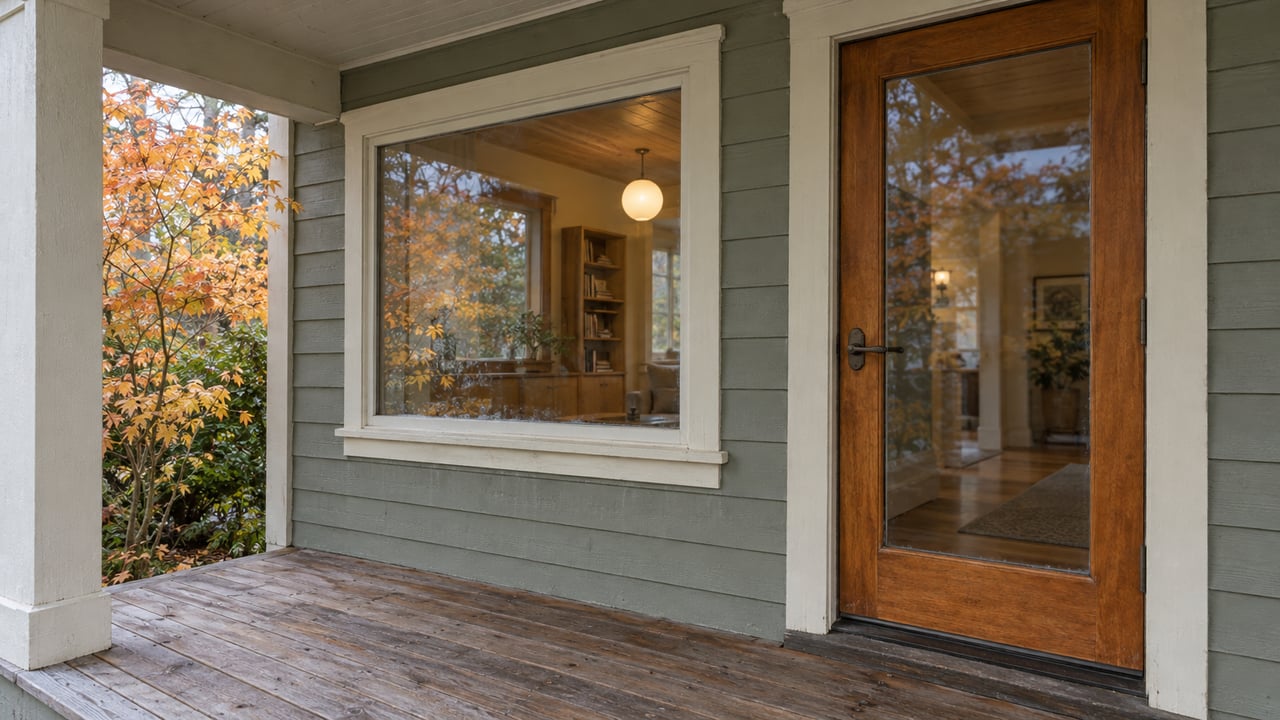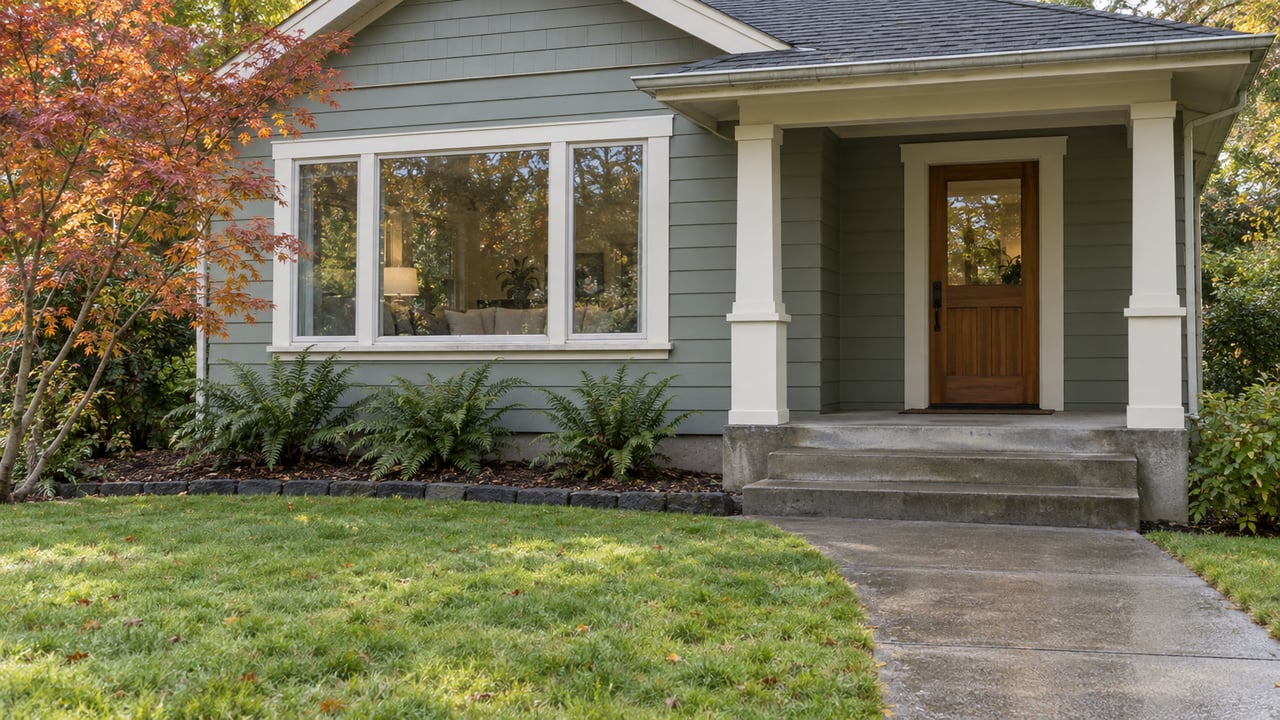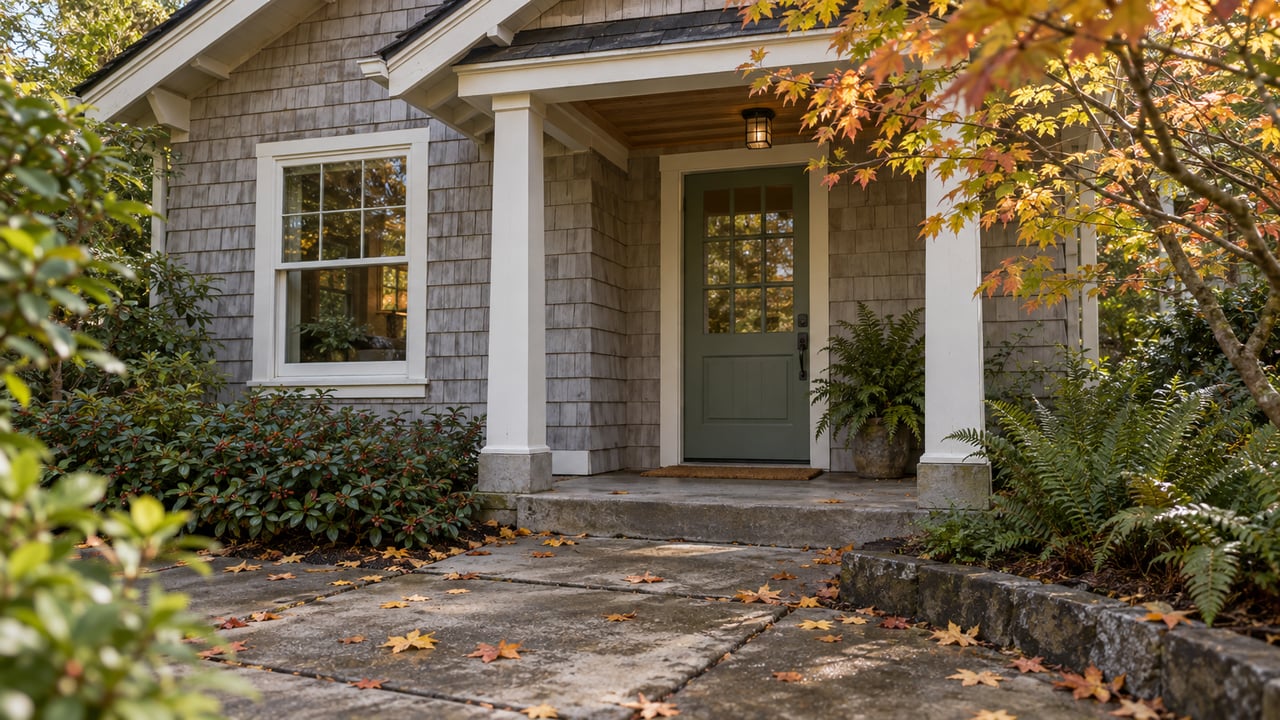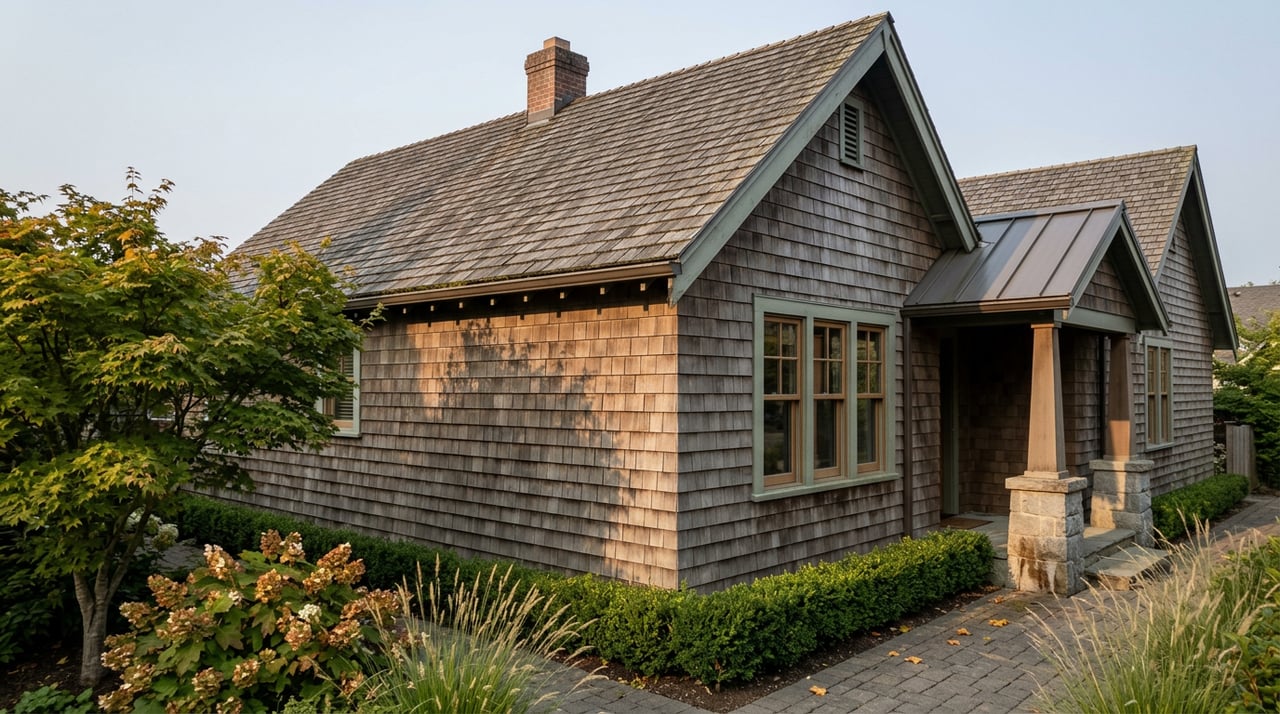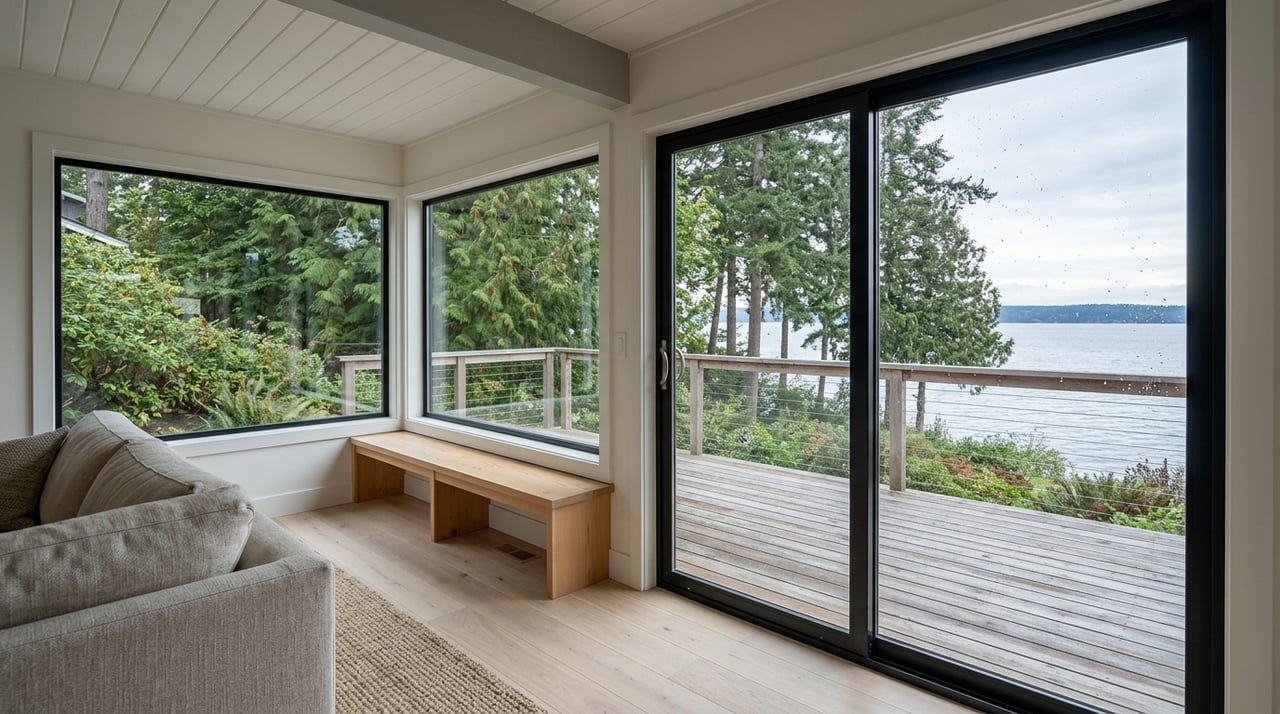
What does everyday life actually feel like in a Puget Sound view home? It is easy to picture the sunsets and water views, but the real experience is more layered than a postcard. If you are exploring waterfront and view homes around Seattle, especially in island and shoreline settings, it helps to understand how weather, light, tides, and property conditions shape daily routines. Let’s take a closer look.
Puget Sound living feels seasonal
A Puget Sound view home changes with the season in a very real way. Based on NOAA climate normals for Seattle-Tacoma, the region averages 39.34 inches of precipitation each year and 156.2 days with measurable precipitation. January is especially wet, with an average of 5.78 inches of rain over 18.7 days, while July is much drier at 0.60 inches over 4.7 days.
That means your home does not feel the same all year long. Winter can bring gray skies, dramatic clouds, and cozy indoor days, while summer often opens up brighter views and longer evenings outside. Even temperatures shift gently but noticeably, with January averaging 42.8°F and July averaging 67.1°F.
Light shapes the home experience
Views are part of the floor plan
In a Puget Sound view home, the view is not just something you look at. It often shapes how the home lives from morning to night. Rooms facing open water, western light, or sunset can feel bright and expansive, while rooms facing trees, bluffs, or neighboring shorelines may feel more sheltered and private.
This is one reason layout matters so much when you tour a view property. Two homes with similar square footage can feel completely different based on orientation, window placement, and how the main living spaces connect to the outlook. In many cases, that balance between openness and privacy is part of the home’s built-in value.
Not every view is easily changed
Shoreline properties in Washington are regulated through local shoreline master programs. The Washington Department of Ecology notes that projects like tree and vegetation removal, stairs, retaining walls, decks, docks, bulkheads, mooring buoys, grading, and some on-site sewage work may fall under shoreline review.
For you as a buyer or owner, that means the site matters as much as the architecture. A view may depend on topography, existing vegetation, and what the property can legally support over time. It is smart to think beyond the current photos and ask how durable the outlook is.
Water rhythms affect the routine
Tides can guide the day
If a home has direct shoreline access, everyday routines may follow the tide table as much as the clock. NOAA notes that tides and currents are important for safe navigation and water-related activities, and official tide and current predictions are part of planning on the water.
In practical terms, beach walks, kayak launches, dock use, and shoreline tasks may feel different depending on the hour. A waterfront home can offer an incredible connection to the Sound, but it also asks you to pay attention to changing conditions.
Weather can feel hyper-local
Puget Sound weather is known for being local and sometimes surprisingly specific. The National Weather Service Seattle explains that the Puget Sound Convergence Zone can form when westerly winds move around the Olympic Peninsula and meet over the Sound, creating a narrow band of showers, thunderstorms, or snow.
That helps explain why one shoreline area may be dry while another sees active weather. If you live in an exposed waterfront or bluffside setting, you may get used to checking the marine forecast, watching wind shifts, and planning outdoor time around fast-changing skies.
Island access adds another layer
Ferries become part of the rhythm
For buyers considering places like Vashon, Bainbridge, or Whidbey, transportation can be part of the lifestyle equation. Washington State Ferries serves routes including Seattle/Bainbridge Island, Fauntleroy/Vashon, Southworth/Vashon, and Mukilteo/Clinton.
For many households, the ferry schedule becomes part of everyday planning in the same way traffic patterns matter on the mainland. It is not necessarily a drawback, but it is a rhythm that shapes errands, appointments, commuting, and visits with family or friends.
Some routes are tide-aware too
Washington State Ferries also notes low-tide warnings on the Vashon Island and Mukilteo/Clinton routes, where large vehicles may be restricted because of increased ramp angles. That detail says a lot about life in marine settings. The beauty is real, but so is the need to plan around the water.
If you are considering a view or waterfront home with ferry access in the mix, it helps to picture the routine honestly. Scenic living often comes with a few operational details, and understanding them early makes the lifestyle easier to enjoy.
Ownership means more than enjoying the view
Shoreline work often requires review
A Puget Sound waterfront or bluff property can be deeply rewarding to own, but it also comes with responsibilities. The Washington Department of Ecology says shoreline property owners are responsible for making sure activities and development on their property comply with the local shoreline master program and that required permits are obtained.
The same guide notes that owners can continue to live in, maintain, and repair their home, while new development and shoreline-related work are reviewed through the local system. If you have questions about a property, the local planning department is the place to start.
Bluff properties need careful attention
Bluff homes often offer dramatic outlooks, but they come with a different set of ownership questions. According to the Department of Ecology, landslides are common in the Puget Sound area, especially along steep shoreline bluffs, and heavy rainfall and runoff are major contributors.
The agency advises maintaining vegetation, directing roof runoff away from slopes, and avoiding septic drain fields or irrigation between the home and the bluff edge. It also notes that most insurance policies do not cover landslide damage. For buyers, this makes existing drainage work, slope reports, and past improvements especially important to review.
Erosion planning matters long term
Beach and bluff erosion are widespread in Puget Sound, according to the Department of Ecology. The agency generally encourages soft shoreline stabilization over hard armoring like bulkheads, seawalls, and revetments where possible.
Long-term ownership planning matters here. Rising sea levels and more destructive storms are part of why shoreline stabilization remains an active issue for many waterfront owners. If you are buying for the long run, it helps to think about stewardship as part of the lifestyle.
Smart questions to ask before you buy
A beautiful listing can capture the mood of waterfront living, but the details tell you how the home will function day after day. Before you move forward, it helps to ask practical questions that connect the view to the reality of ownership.
Consider asking:
- How much winter light does the home receive?
- Which rooms face the water or sunset?
- Is the view open and durable, or does it depend on shoreline vegetation?
- Does the property rely on a bluff, dock, or ferry route that changes daily routines?
- What shoreline permits, drainage improvements, dock work, or bluff reports already exist?
These questions can help you compare homes more clearly. They also help you understand whether a property fits the lifestyle you want, not just the image you admire.
Why local guidance matters
Waterfront and view homes around Seattle are compelling because they offer more than scenery. They connect you to weather, water, seasons, and place in a way that feels personal and memorable. At the same time, they often involve shoreline rules, site-specific maintenance, and local patterns that are easier to navigate when you have experienced guidance.
That is especially true in island and marine settings, where details like septic systems, shoreline setbacks, bluff conditions, and ferry rhythms can all affect the ownership experience. A home can be stunning and still require thoughtful research. In many cases, that research is what helps you buy with confidence.
If you are curious about waterfront or view living in the Puget Sound region, working with a team that understands both the beauty and the practical side can make the process feel much clearer. When you are ready to explore the lifestyle in more detail, connect with Connie Sorensen.
FAQs
What is daily life like in a Puget Sound view home?
- Daily life often feels closely connected to the season, weather, and changing light, with routines shaped by rain patterns, water views, and outdoor conditions.
How does weather affect waterfront homes near Seattle?
- Weather can affect visibility, outdoor use, boating, beach access, and general routines, especially because shoreline conditions can vary from one area to another on the same day.
Why do tides matter for Puget Sound waterfront living?
- Tides can influence beach access, kayaking, dock use, shoreline maintenance, and other water-related activities, so many owners plan parts of their day around tide conditions.
What should buyers ask about a Seattle-area view property?
- Buyers should ask about winter light, room orientation, view durability, shoreline permits, drainage improvements, bluff conditions, and any features that may affect long-term use.
Are shoreline changes easy to make on Puget Sound properties?
- Not always, because work such as vegetation removal, decks, docks, grading, and other shoreline-related projects may require review under local shoreline rules.
What are key concerns with Puget Sound bluff homes?
- Bluff homes may require extra attention to drainage, vegetation, runoff management, and erosion or landslide risk, especially during wetter parts of the year.