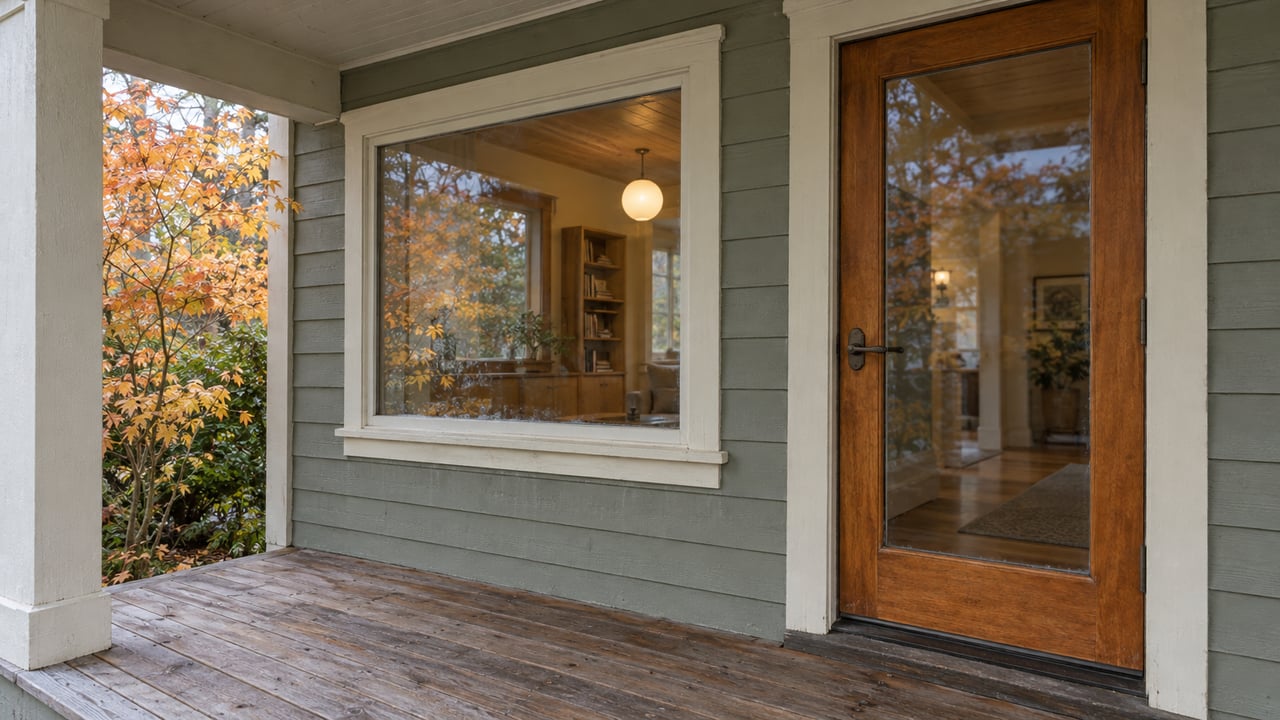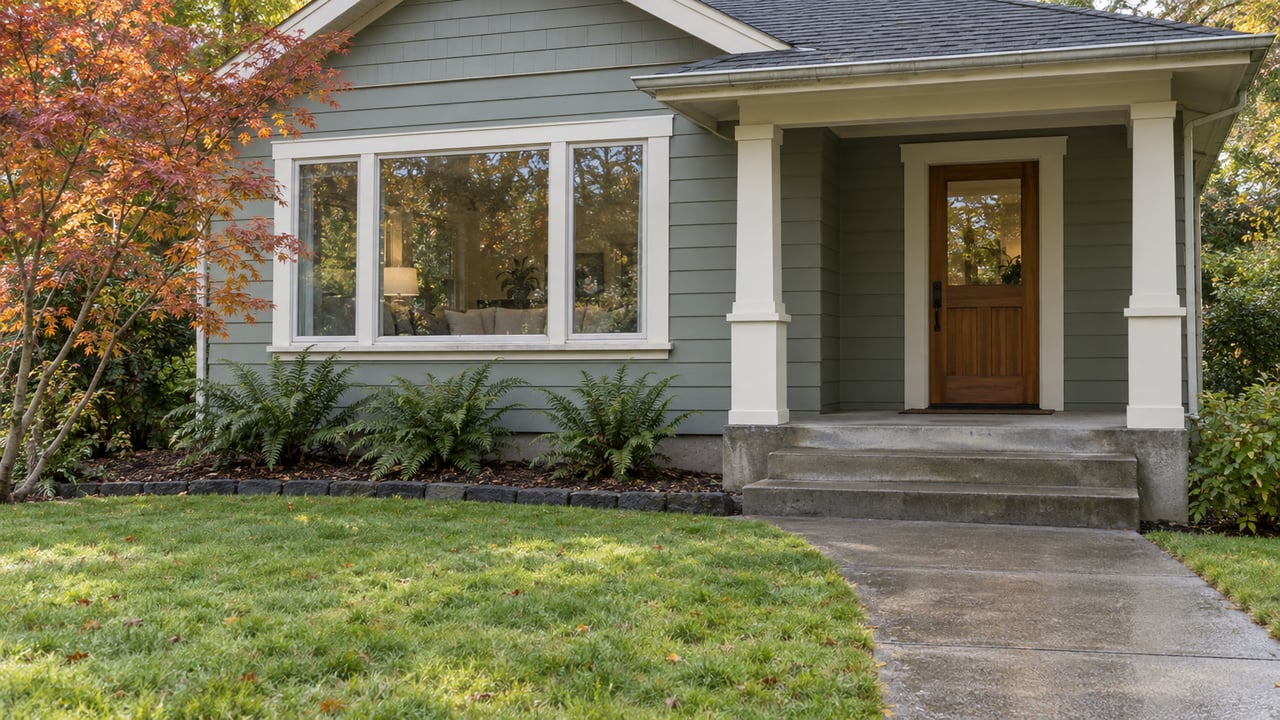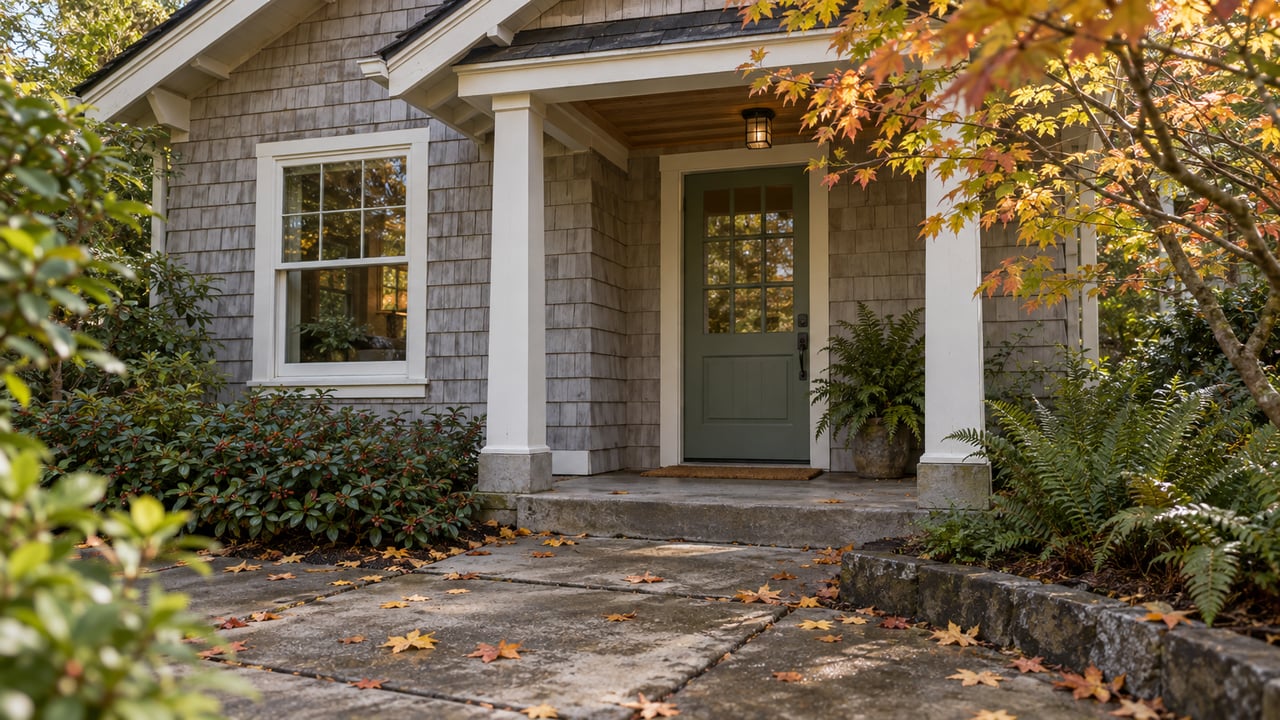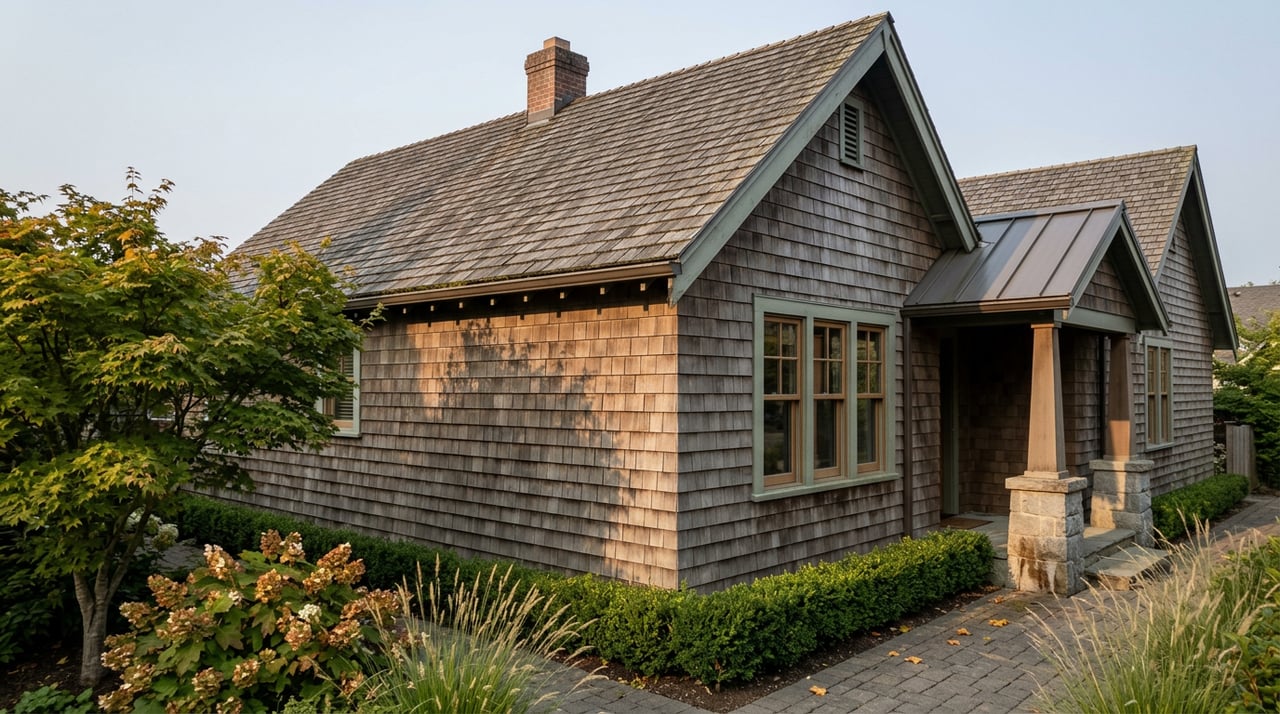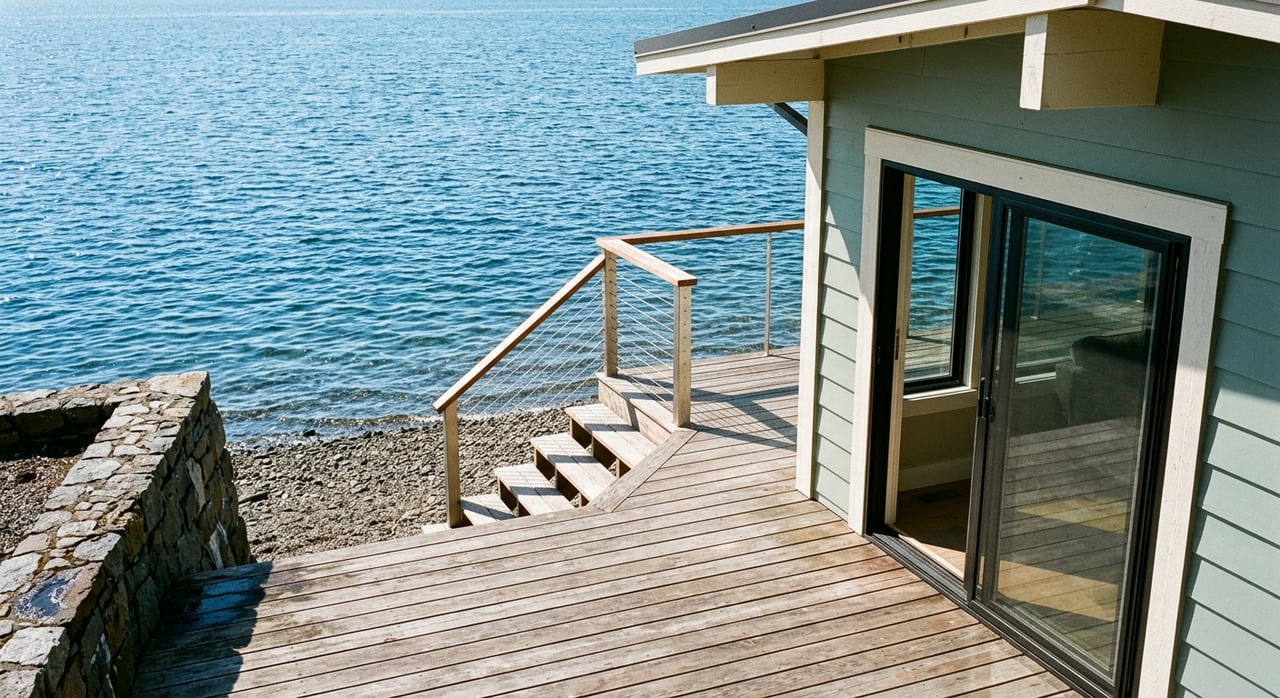
Dreaming about a Puget Sound waterfront or view home? It is easy to picture the sunsets, the deck, and the water just beyond your windows. But on Vashon and Maury, buying this kind of property involves more than finding a beautiful setting. You also need to understand shoreline rules, utilities, site conditions, and ongoing maintenance so you can buy with confidence. Let’s dive in.
Why Vashon waterfront is different
Vashon Island is not a typical suburban market. The island covers about 37 square miles, rises from sea level to roughly 520 feet, and with Maury Island includes more than half of King County’s shoreline mileage, according to King County environmental health materials.
That geography matters when you shop for waterfront or view homes. A property’s value is not only about whether it is labeled “waterfront” or “view.” King County appraisal guidance treats views, waterfront, lot size, land problems, and neighborhoods as separate characteristics, which means the real question is how the site actually lives day to day.
Know the difference between view and waterfront
A view home and a waterfront home can feel similar in photos, but they can function very differently in real life. Some properties have broad marine views with no direct water access. Others sit on the shoreline but have steep banks, regulated access points, or environmental constraints that affect how you use the property.
Before you fall in love with a listing, ask whether you are buying a view, waterfront frontage, or usable legal access to the water. That distinction can shape everything from enjoyment to maintenance to long-term value.
Ask about legal water access
Washington’s Shoreline Management Act applies to marine waters and shorelands extending 200 feet landward, along with some or all of the 100-year floodplain. It also recognizes public trust interests in state waters, which is one reason access questions deserve careful review.
If a property includes stairs, a trail, a dock, a buoy, or a launch area, you will want to confirm what exists, what is permitted, and how it may be used. A listing description may highlight the shoreline, but your due diligence should focus on what rights and improvements are actually in place.
Understand the ordinary high water mark
One shoreline term every buyer should know is the ordinary high water mark, often shortened to OHWM. Under Washington Ecology’s definition, this is a biological vegetation mark, and it can shift over time due to erosion, waves, stormwater runoff, and land-use changes.
Why does that matter to you? Because the OHWM helps define where shoreline rules and setbacks begin. If the line sits closer to the home, deck, or existing shoreline improvements than you expected, that can affect future projects, repairs, and how the property is managed.
Improvements near the shore
Buyers are often excited about docks and similar structures, but shoreline improvements are heavily regulated. Under King County shoreline code, docks, piers, moorage piles or buoys, floats, and launching facilities are allowed only for water-dependent uses or public access, and marine-water proposals must evaluate nearshore impacts.
In practical terms, you should ask whether existing improvements were permitted, whether they are still compliant, and whether future changes may be limited. What looks simple from the beach can be more complex on paper.
Utilities matter more than many buyers expect
On Vashon and Maury, utilities are a major part of the buying decision. Many homes are not served by water districts and instead rely on private wells. Wastewater may be handled by sewer, septic, or community systems depending on the property location, according to King County environmental health guidance.
This is especially important because King County describes Vashon-Maury as a sole-source aquifer area. That means drainage and wastewater decisions do not just affect your property. They also connect to broader water-quality concerns.
Septic transfer rules
If the home has a septic system, there is a specific transfer process to understand. King County requires an inspection by a certified on-site system maintainer before transfer of title unless a waiver applies.
Sellers must also record the on-site sewage system maintenance notice before closing, and buyers must submit the operation-and-maintenance fee at transfer. This is one of those island details that can surprise buyers coming from more urban areas, so it is best to clarify it early.
Roads and access are part of ownership
Many shoreline and view properties are served by private roads. That can offer privacy and a tucked-away setting, but it can also mean extra responsibility.
King County states that it does not maintain private roads or their drainage improvements. Recorded private-maintenance covenants should spell out assessments, maintenance schedules, and enforcement, so you will want to review those documents closely before closing.
Look beyond the purchase price
A private road can affect your monthly and long-term costs just as much as a utility bill. If the road is steep, exposed, or shared by only a few owners, maintenance obligations may feel more significant than expected.
When you compare homes, it helps to think about ownership cost in full. The view may be the headline, but access is part of the real budget.
Shoreline maintenance is ongoing
Buying near the water also means buying into shoreline stewardship. If the property includes shoreline stabilization, you should understand what kind it is, how it is performing, and what future work might involve.
Washington Ecology explains that stabilization may include bulkheads, revetments, and seawalls, while also encouraging softer approaches where possible because hard armoring can disrupt natural shoreline processes. On a waterfront parcel, this is not a small detail. It is part of long-term care.
Review flood, bluff, and sea-level risk early
Waterfront and bluff properties can come with risk factors that deserve attention before you write an offer. Flood risk is one piece of that picture.
The Washington State Office of the Insurance Commissioner notes that standard homeowners policies usually do not cover flood damage, and flood insurance is separate. If a home is in a FEMA Special Flood Hazard Area and financed with a federally backed mortgage, flood coverage is generally required.
Verify maps yourself
Do not rely only on a listing description when it comes to flood exposure. FEMA’s Flood Map Service Center is the official source for flood hazard maps, and it is the right place to verify the parcel.
For bluff properties, slope stability matters too. Ecology warns that landslides are common along steep Puget Sound bluffs, and most insurance policies will not cover landslide damage. Drainage, vegetation, and geotechnical review can be very important when a home sits near a slope.
Sea level rise is part of due diligence
On Vashon-Maury, sea level rise should also be part of your review. King County’s FAQ says sea level is projected to rise about 1 to 2 feet by mid-century and 2 to 5 feet by 2100 under a high greenhouse-gas scenario.
The county has also created a Sea Level Rise Risk Area that applies only on Vashon-Maury, with building-elevation and steep-slope setback standards tied to coastal flood risk. If you are comparing multiple waterfront homes, this is one more reason site-specific review matters.
Key questions to ask before touring
Before you schedule showings, it helps to have a simple framework. These questions can save time and help you focus on homes that fit your goals:
- Does the property offer legal water access, or only a view?
- Where is the ordinary high water mark in relation to the house, deck, and shoreline improvements?
- Is the home on septic, sewer, or another wastewater system?
- If it is on septic, what does the transfer process require?
- Is the access road privately maintained, and what do the recorded covenants say?
- Is the parcel in a flood, bluff, or sea-level-rise risk area?
- Are any docks, stairs, bulkheads, or other shoreline features documented and compliant?
Why local guidance matters
A Puget Sound waterfront or view purchase can involve shoreline jurisdiction, OHWM questions, septic transfer requirements, private-road maintenance, flood mapping, landslide exposure, and sea-level-rise overlays. That is a lot to sort through if you are used to inland housing.
This is where local knowledge makes a difference. When you work with an island-focused team, you get help looking past the photos and into the practical details that affect how a property will function over time.
If you are starting your search for a Vashon or Maury waterfront or view home, Connie Sorensen can help you navigate the island-specific questions that matter most so you can move forward with clarity.
FAQs
What should you verify before buying a Vashon waterfront home?
- Confirm legal water access, shoreline improvements, septic or sewer setup, private road obligations, flood mapping, and bluff or sea-level-rise risk.
What is the ordinary high water mark on Puget Sound property?
- It is the biological vegetation mark used to help define shoreline jurisdiction, and it can shift over time due to erosion, waves, runoff, and land-use changes.
Do Vashon waterfront homes usually have septic systems?
- Some do, and some are connected to sewer or community systems, so you should verify the property’s setup and understand the transfer requirements before closing.
Are private roads common for Vashon view and waterfront properties?
- Yes, and if a home is served by a private road, you should review the maintenance covenant to understand assessments, drainage responsibility, and long-term upkeep.
Do standard homeowners policies cover flood damage on waterfront homes?
- No, flood damage is usually not covered by standard homeowners insurance, and separate flood insurance may be required in certain mapped hazard areas.