Thinking about trading city convenience for island breathing room? On Vashon-Maury Island, your day often begins and ends with a ferry ride and a community that feels like everyone knows your name. If you are weighing a move, you want a clear picture of daily life, logistics, and what it takes to own a home here. This guide gives you practical context on commuting, services, homes, seasonality, and due diligence so you can decide with confidence. Let’s dive in.
Where Vashon Is and How You Get Around
Vashon-Maury Island sits in King County as an unincorporated community, which means the county handles planning, permitting, and public works. The island has a small-town feel with village centers, farms, and wooded parcels. You are connected to the region by ferry or private boat, which shapes daily life in ways both charming and practical.
Ferry life and commute reality
The Washington State Ferries Fauntleroy–Vashon–Southworth route is the main link to West Seattle, Kitsap, and onward connections. A commute to Seattle or Bellevue is multi-step: drive to the terminal, wait, sail, then drive again. It typically takes longer than a comparable drive-only route, and there is variability from vessel capacity, weather, and maintenance. Many residents plan errands around sailings, build in extra time, and lean on flexible or remote work.
On-island transportation and deliveries
On-island, most people rely on cars. Local transit exists but not with the frequency you find in urban systems. Package and grocery delivery generally work well, though schedules can be affected by ferry logistics or storms. For big items like furniture or a moving truck, you may need advance coordination and to account for ferry fees or sailing timing.
Connectivity and utilities
Cell reception and broadband vary by neighborhood. Some homes have DSL or cable, others use co-ops or wireless providers. If you work from home, verify actual speeds at the specific address. Many properties use private wells and septic systems, while a few neighborhoods have community or piped water. Septic inspections and approvals run through King County. Power outages do occur, so many residents keep backup plans.
Quick pre-move checklist
- Check the ferry schedule and test your commute during peak times.
- Confirm septic and well status or public water and sewer, plus recent inspections.
- Verify internet and cell coverage at the address, not just the provider’s map.
- Ask about road access, large vehicle delivery, and seasonal conditions.
- Review parcel taxes, zoning, and any critical areas or shoreline restrictions.
- Price out insurance needs, including flood for low-lying or waterfront areas.
Daily Life and Community Rhythm
If you value a small-town, community-forward lifestyle, Vashon will likely feel like a fit. You will see local businesses, volunteer groups, and arts organizations in daily life. The pace is slower than the city, with an emphasis on outdoor living, local food, and neighbor networks.
Town centers and neighborhood feel
Vashon Town is the main commercial hub with shops, markets, cafes, galleries, and services. Burton and nearby port areas add waterfront activity and gathering spots. Just a few turns off a village street, you can be on a wooded lane or at a small farm, which creates a mix of walkable blocks and secluded parcels.
Culture, arts, and events
Expect an active arts scene, community theater and music, farmers markets, and seasonal festivals. Summer brings more visitors and livelier businesses, which also means busier ferry lines. Community organizations and nonprofits play a central role, from parks programming to food and arts initiatives.
Social trade-offs
- Pros: tight-knit community, clear island identity, easy access to nature, and fewer through-traffic distractions.
- Cons: fewer late-night options, a smaller set of restaurants and shops, and a social life that leans toward community events over big-city nightlife.
Outdoor Living and Seasons
Outdoor life is a daily highlight. You are never far from water, forest, or a quiet trail.
Marine and trail activities
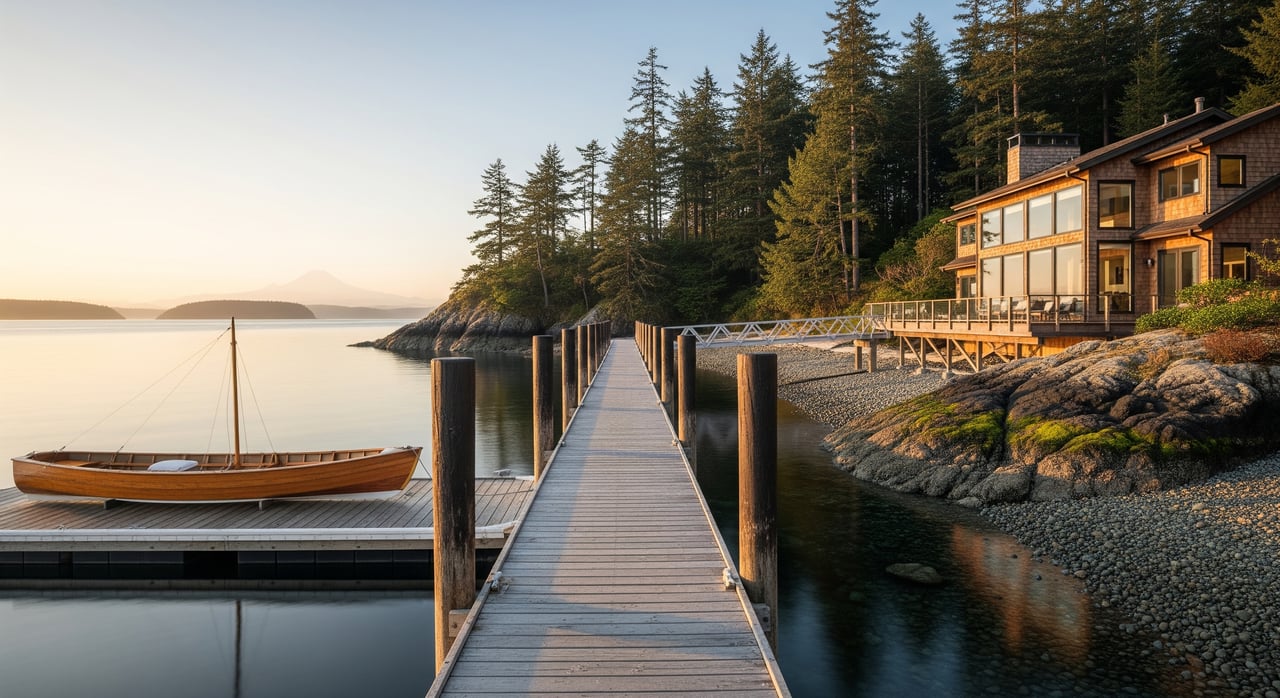
Kayaking, paddleboarding, small-boat sailing, and beachcombing are part of the rhythm, especially in summer and shoulder seasons. Parks and trails support hiking, birding, mountain biking, and tidepool exploration. The island works well for people who want to get outside with minimal travel time.
Climate and seasonal patterns
The climate is maritime Pacific Northwest. Winters are mild and wet, with gray months from November through March. Summers are relatively dry and mild. Seasonal rhythms matter: summer means more events and visitors, while winter can bring storms and occasional service disruptions.
Home and land upkeep
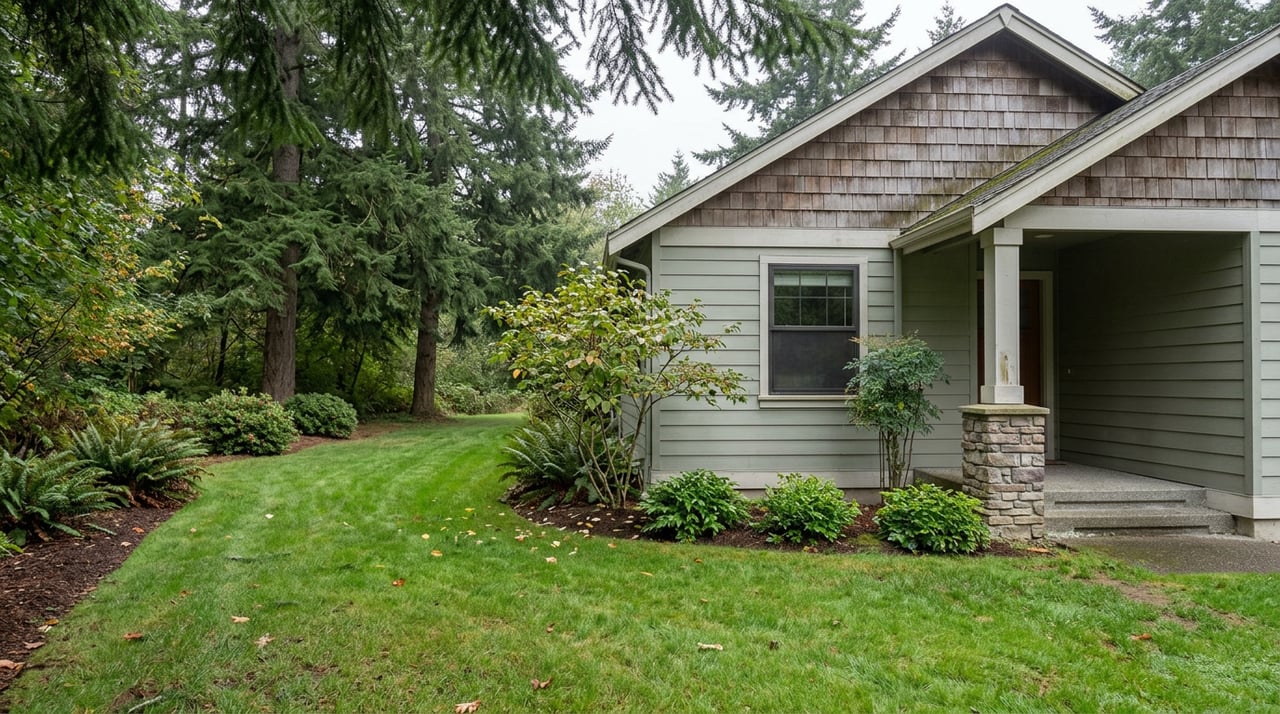
Moss and moisture call for regular maintenance. Rural driveways and drainage may need seasonal attention, especially near wooded areas. Beaches and tides dictate timing for activities like clamming or tidepooling. You will likely see deer, birds, and small mammals, so plan for fencing or garden protection as needed.
Homes, Land, and Buying Considerations
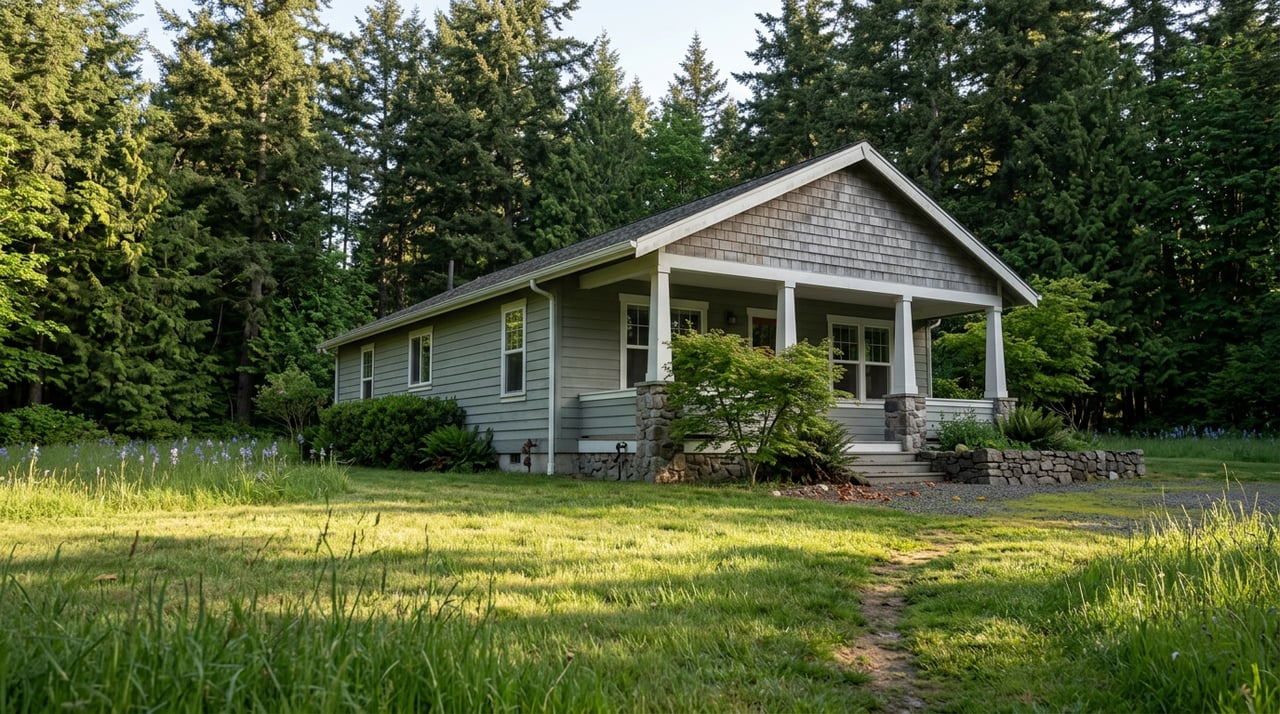
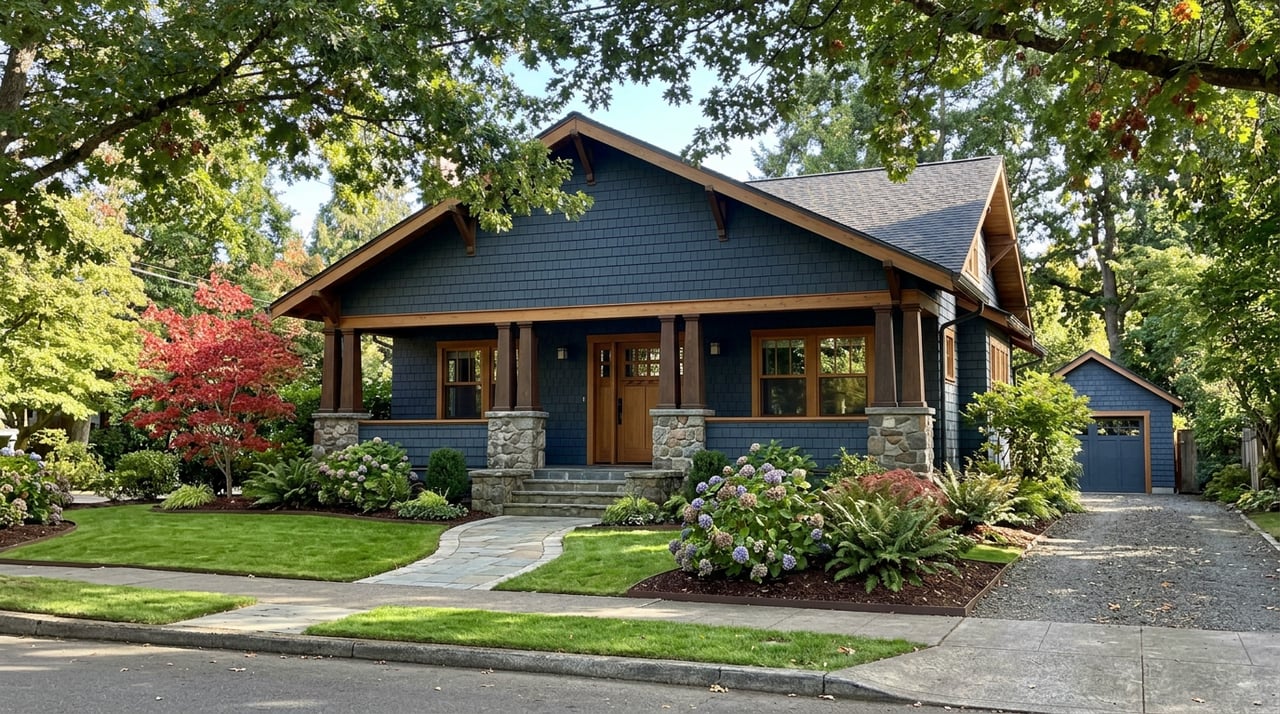
You will find cottages and Craftsman homes near village areas, mid-century and contemporary residences, farmhouses with acreage, and forested parcels with single-family homes. Lot sizes are often larger than in urban Seattle neighborhoods, which means more privacy and room for gardens or outbuildings.
Zoning and development basics
King County jurisdiction sets zoning and land-use rules, including rural-residential, resource lands, and shoreline zones. Shoreline and critical-area regulations can shape what you can build, where you can site structures, and how you subdivide. Septic, wells, and environmental rules affect possibilities for accessory buildings or ADUs. Engage county resources early if you plan changes.
Due diligence musts
- Septic system age, condition, and capacity.
- Well water quantity and quality testing.
- Road access, easements, and maintenance responsibilities for private roads.
- Tree, geotechnical, steep-slope, or landslide considerations.
- Shoreline setbacks and restrictions for waterfront or near-shore properties.
Financing, insurance, and closing
Lenders underwrite island homes like others, but septic and well systems often add contingencies or documentation. Waterfront and low-lying parcels may require flood insurance. Build extra time into your closing timeline for ferry-coordinated inspections and contractor scheduling. Specialty trades may book out, and many come from the mainland, which can add complexity.
Is Vashon a Fit for You?
Vashon rewards people who value place, community, and the outdoors, and who can adapt to ferry life.
Who thrives here
- Remote workers or those with flexible schedules.
- Families who want small-community schools and active civic life.
- People who prioritize privacy, nature, and larger lots.
- Hobby farmers, artists, and small-business owners who like a local, craft-forward economy.
Who may find it challenging
- Daily commuters with tightly fixed 9-to-5 schedules downtown.
- Buyers who want extensive urban amenities within walking distance.
- Those who need immediate access to advanced medical facilities without transfers.
Questions to ask yourself
- Can I embrace the ferry as part of daily life?
- Do the local schools and programs fit my family’s needs?
- Am I comfortable with well and septic maintenance and costs?
- Does the property have the connectivity I need for work and life?
- How will summer visitor patterns affect my routine and errands?
Realistic Commute Scenarios
If commuting is part of your plan, test run it before you buy. Try it during typical peak times to see how it feels.
- Remote-first worker: On-island most days, scheduling off-island meetings for mid-morning or mid-afternoon sailings to avoid peaks. Ferry time becomes planning time.
- Hybrid schedule: Two to three days a week off-island. Staggered hours help you catch less crowded sailings and reduce wait times.
- Daily commuter: It is doable, but you should budget extra time for waits and occasional disruptions. Set up backup plans and talk with your employer about flexibility.
Plan Your Next Step
Choosing island life is as much about lifestyle as it is about a house. You will want a guide who understands septic systems, wells, shoreline rules, and the rhythms of ferry living. If you are ready to explore homes, neighborhoods, and what works for your life, connect with the local team that lives it every day. Reach out to Connie Sorensen to map your move with clear, practical guidance.
FAQs
How long is the commute to Seattle from Vashon?
- Many residents commute, but it is a multi-step trip with variable ferry waits and sailing times, so plan for longer total travel than a drive-only route.
Are there grocery and essentials on the island?
- Yes, you will find markets and basic shopping on-island; specialty items or large runs may mean a mainland trip.
What should I know about schools on Vashon?
- The island has its own K–12 school district, and families often consider programs and extracurriculars as part of their decision.
How does healthcare work in emergencies?
- Basic and urgent care services are on-island, while serious cases require transport off-island, which adds transfer time.
Is internet and cell service reliable across the island?
- It varies by neighborhood and provider; test at the specific address and plan a backup if remote work is critical.
What types of homes are common on Vashon?
- You will see cottages and Craftsman homes near village areas, mid-century and contemporary homes, farmhouses with acreage, and forested parcels.
What inspections are most important when buying?
- Septic system evaluation, well water tests, road access and easements, and any geotechnical or shoreline-related reviews are typical priorities.