Why do some Whidbey homes go pending in a weekend while others linger for weeks? If you are buying or selling, that gap can feel confusing. You want to time things right, price with confidence, and understand what the market is really saying. In this guide, you will learn how Days on Market works on Whidbey Island, what actually drives it, and how to use it to your advantage. Let’s dive in.
What DOM really measures
Days on Market, or DOM, is the count of days from when a property is listed to when it goes pending or is otherwise removed from active status. Some reports track a single listing’s DOM. Others use cumulative DOM that adds days from prior relistings. Ask which version you are looking at before drawing conclusions.
DOM is a signal, not a verdict. A long DOM does not automatically mean a home is overpriced. It could reflect timing, listing strategy, seasonal slowdowns, or a longer inspection or contingency period. A short DOM does not always prove a “hot deal” either. Competition, intentional underpricing, or low inventory can compress timelines.
To read DOM accurately, consider it in context. Compare it to the submarket, price band, and property type. Pair it with metrics such as list-to-sale price ratio, inventory and absorption rate, and the number of showings. Time to first offer and days to first price reduction also help you see the full picture.
Whidbey factors that move DOM
Property type and attributes
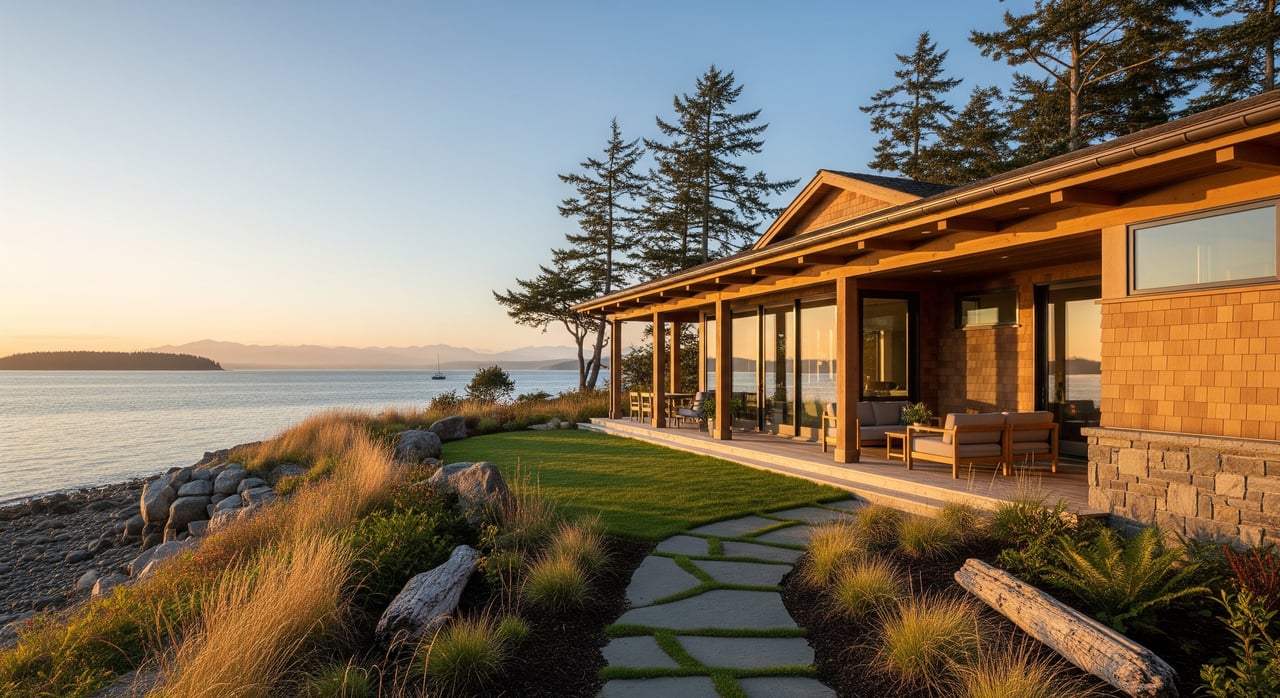
- Waterfront. High-end waterfront often takes longer because the buyer pool is smaller and due diligence can be complex. Shoreline regulations, septic rather than sewer, and permitting questions can add time. Well-priced, turnkey waterfront at modest price points can still move quickly.
- View homes. A Puget Sound or mountain view increases desirability and price. Modest view homes priced in line with recent sales often see faster DOM than top-tier view estates.
- Inland homes near services. Properties in town centers like Oak Harbor or Freeland benefit from a broad buyer base that includes local workers, military households, and commuters. These segments often post the shortest DOM.
- Rural acreage and forested parcels. Longer DOM is common because of a narrower audience, site constraints such as wells and septic, and occasional appraisal or financing hurdles.
- Condition and age. Renovated, move-in ready homes typically sell faster. Homes needing work, or with functional tradeoffs, often require price adjustments and more time.
Micro-location and access
- Proximity to NAS Whidbey. Entry and mid-market homes in and around Oak Harbor benefit from steady demand connected to military transfers, civilian employees, and support businesses. That can shorten DOM for well-priced listings.
- Ferry corridor and commutes. Homes near the Clinton ferry terminal or with efficient routes to Mukilteo and I-5 draw commuters and Seattle-area buyers. When priced to the local band, these can see faster DOM.
- Town appeal and amenities. Langley and Coupeville attract second-home and lifestyle buyers. DOM can stretch for higher-priced or niche properties, while a well-presented cottage in town can go pending quickly, especially in the prime season.
- Services and connectivity. Sewer access, reliable high-speed internet, and proximity to groceries and medical services are meaningful for remote workers and families. Homes with these features often see shorter DOM within their bands.
Price band and buyer pools
- Entry-level. The broadest audience usually lives here, which supports faster DOM when inventory is tight.
- Mid-market. DOM depends on neighborhood, commute access, and amenity mix. In commuter-friendly or amenity-rich areas, timelines can be short.
- Upper and luxury. The buyer pool is smaller and due diligence is deeper, so DOM is commonly longer. Precise pricing and targeted marketing matter.
- Price cliffs. Shopping behavior changes at common search thresholds. Homes priced just under a popular price point sometimes draw more showings and offers, which can shorten DOM.
Seasonality and timing
- Spring to early summer. April through July typically sees more showings and faster DOM as weather improves and families plan moves.
- Late fall and winter. Activity slows from November through February. DOM often lengthens unless a property is sharply priced or offers unique appeal.
- Second-home cadence. Sellers of vacation and shoreline properties often aim to hit the spring window when interest peaks.
Market-level forces
- Inventory and absorption. Low supply compresses DOM. When inventory builds, DOM increases and buyers gain leverage.
- Interest rates. Rising rates reduce purchasing power, which can lengthen DOM in mid and upper bands. Rate drops tend to shorten timelines.
- Employment and migration. Ongoing military transfers tied to NAS Whidbey provide a steady stream of demand, while remote work has grown the audience for lifestyle properties.
- Regulatory landscape. Shoreline stabilization, septic requirements, or conditional use permits can slow buyer decisions and lengthen DOM.
Submarket snapshots
Oak Harbor
Oak Harbor is the island’s largest town and is shaped by the Naval Air Station. Entry and mid-market single-family homes here often see shorter DOM due to a consistent buyer pool of military households, local workers, and first-time buyers. If you are selling, emphasize flexible occupancy windows and service access. If you are buying, be prepared to act quickly on well-priced homes near core amenities.
Langley
Langley draws lifestyle and second-home buyers and often has higher per-square-foot pricing in town. DOM can stretch for larger or niche properties, especially outside the prime season. Turnkey cottages or view homes priced within the local band can still sell quickly. Strong photography and virtual tours help capture remote buyer interest.
Coupeville
Coupeville balances local residents with tourism traffic. In-town homes often track the market average, while prime harborfront or historic properties behave like luxury assets with longer DOM. Early clarity on shoreline and permitting helps align buyer expectations and keep timelines steady.
Freeland and the Clinton corridor
Proximity to the Clinton ferry increases appeal for commuters and Seattle buyers. Homes with reliable internet and easy access to services can see faster DOM when appropriately priced. Buyers should be mindful of price cliffs near common search thresholds, and sellers should highlight commute options and connectivity.
Waterfront vs inland
Waterfront homes command a premium and a smaller buyer pool, which often means longer DOM, particularly at the high end. Added complexity such as shoreline permits, erosion considerations, and insurance can extend diligence. By contrast, inland homes near services tend to move faster in the same price band because they reach a broader audience.
How buyers can use DOM
Use DOM as one lens, not a decision by itself. Start with the property type, location, and price band, then compare to recent pending and sold activity.
Buyer checklist for reading DOM:
- Check whether the DOM is cumulative or for a single listing.
- Review listing history for price reductions and relists.
- Ask about known issues such as septic, shoreline permits, or access.
- Look at list-to-sale price patterns for similar recent sales.
- Confirm seasonal timing and inventory trends.
When DOM is low and showings are brisk, have your financing ready and tour early. When DOM is high, dig into the why. If the price, condition, and comps align, you may have room to negotiate or request repairs.
How sellers can influence DOM
Sellers do not control the market, but you can set strategy to move with it. Focus on right-pricing, standout presentation, and friction-free due diligence.
Seller action plan:
- Price to the band, not the wish. Use recent sold comps in your submarket and adjust for condition, view, access, and services.
- Win the first impression. Invest in professional photography, staging, and virtual tours to reach remote buyers and showcase views, ferry proximity, or in-town convenience.
- List into demand. If possible, target late winter or spring to catch higher foot traffic. If you choose an off-season listing, price with intent.
- Smooth the diligence path. Address obvious issues in advance or price to reflect them. Make septic and shoreline information easy to review, and gather permits and records early.
- Align to buyer timelines. In Oak Harbor, consider occupancy windows that match transfer cycles. Along the Clinton corridor, highlight commute and connectivity.
Reading DOM the right way
Think of DOM as a conversation between your property and the market. To understand that conversation, you need context. Ask whether the data is cumulative or single-listing. Segment by town, property type, and price band. Pair DOM with inventory, absorption, and list-to-sale price ratios. With clear context, you can decide when to act quickly and when to negotiate with patience.
If you would like a local, data-backed read on your Whidbey segment and an action plan to match, connect with the team at Connie Sorensen. Start Your Island Journey — Schedule a Personal Consultation.
FAQs
What does Days on Market mean on Whidbey Island?
- DOM is the number of days a home is actively listed before it goes pending or is removed from market. Some reports use cumulative DOM that adds days from prior relistings.
How does proximity to the Clinton ferry affect DOM?
- Homes near the ferry or with efficient commuter access can attract a wider buyer pool, which often shortens DOM when pricing aligns with the local band.
Why do waterfront homes often have longer DOM?
- Waterfront carries a smaller, more specialized buyer pool and added diligence such as shoreline and septic review, which can extend timelines, especially at higher price points.
Is a long DOM always a red flag for buyers?
- Not always. It can reflect timing, seasonality, or strategy. If the price and condition fit recent comps and no major issues surface, it can be a negotiation opportunity.
When should sellers list to get a faster sale on Whidbey?
- Spring and early summer typically see higher showing activity. If listing off season, sharpen pricing and presentation to meet a smaller but motivated audience.
How can I tell if DOM is cumulative or for a single listing?
- Ask your agent to confirm the source definition. MLS reports often indicate cumulative DOM separately from the current listing’s days on market.